Rolling Shutters and Their Importance
Modern commercial and industrial structures require strong physical barriers to protect assets and maintain entrance points. Choosing the right entry system requires balancing high-level security with specific operating requirements such as ventilation and visibility. As companies seek increasingly customized solutions, the industry has seen a surge in specialized designs that meet various architectural needs. This modification highlights the various purposes of solid, perforated, and punched roller shutters in the current market. While solid barriers provide complete seclusion, perforated designs act as a bridge between protection and open aesthetics. This blog provides a detailed comparison of perforated vs. solid roller shutters to help facility managers make informed decisions. We examine the structural builds, primary applications, and maintenance needs of each type to determine which system fits specific business environments best.
What Are Perforated Rolling Shutters?
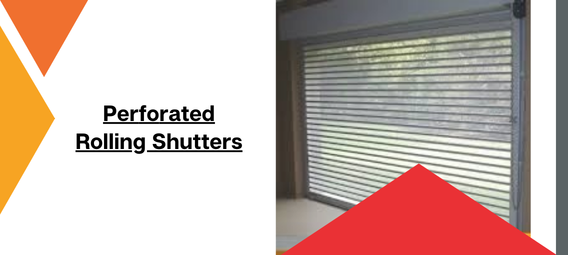
Perforated rolling shutters are security shutters designed with evenly spaced holes or punched patterns across each slat. These apertures might be round, square, or mesh-style, depending on the design specifications. The structure maintains strength while minimizing surface weight. Commonly used materials include mild steel, galvanized steel, and aluminum sheets. The piercing method allows air to circulate while providing partial vision through the shutter surface. Natural light can infiltrate interior rooms, reducing confined spaces. This capability offers product display and illumination control. These shutters are often used in stores, shopping malls, showrooms, and display areas. They serve to maintain a visual connection to the interior while prohibiting unauthorized entry. The design works effectively in environments that value security but do not require complete visual closure.
What Are Solid Rolling Shutters?
Solid rolling shutters use continuous slats with no openings or gaps. Each slat forms a closed barrier when the shutter is lowered. This design offers both physical protection and perfect visual blocking. Galvanized steel, stainless steel, and heavy-duty aluminum are often used materials. The solid surface provides increased resistance to impact and a strong doorway. It also enhances privacy by completely concealing internal contents. Solid shutters help to regulate temperature and decrease noise intrusion. These features make them ideal for warehouses, factories, loading docks, and storage facilities. They are often used for high-risk areas or locations containing precious commodities. The design prioritizes strength, enclosure, and long-term durability under heavy use.
Key Functional Differences Between Perforated and Solid Shutters
The key difference between perforated and solid shutters lies in visibility and airflow. Perforated shutters allow limited viewing and ventilation even when closed. Solid shutters block all light and air passage. Security levels also differ. Solid shutters offer higher resistance due to their closed surface. Perforated shutters still provide strong protection but allow visual access. From an appearance view, perforated designs support branding and display visibility. Solid shutters present a plain, closed look. Noise control and weather protection are stronger with solid shutters. Lighting impact also varies, as perforated shutters let daylight reach interior spaces. These points form the core of the comparison of perforated vs solid roller shutters for functional use.
Material, Durability, and Maintenance Considerations
Material selection affects shutter life and performance. Steel shutters offer strength but require good surface treatment. Aluminum is lightweight and corrosion resistant. Galvanized sheets protect damp or outdoor environments. Surface treatments like powder coating increase wear resistance. Perforated shutters may accumulate dust in the openings and require regular cleaning. Solid shutters are easier to clean and maintain. Repair needs depend on exposure to weather and usage frequency. Industrial environments may require thicker slats and stronger guides. Regular maintenance helps to extend the service life. To reduce premature wear, maintenance planning should be customized according to site conditions and material selection.
Cost and Installation Factors
The cost of perforated and solid shutters varies depending on material, thickness, and design. Perforated shutters are often more expensive due to the punching procedure. Solid shutters may have a lower fabrication cost but a heavier material weight. Installation complexity is determined by shutter size and automation requirements. Custom designs increase both lead time and expense. Long-term value matters more than upfront pricing. Perforated shutters may reduce lighting costs by allowing daylight. Solid shutters may lower energy loss through insulation. Budget planning should consider usage type, security risk, and expected service life. The right balance supports cost control without reducing performance.
Choosing the Right Rolling Shutter for Your Needs
Shutter selection should start with a site assessment. High-risk areas often require full containment. Display-focused locations benefit from limited visibility. Climate conditions influence material selection and coating needs. Coastal or industrial zones require corrosion-resistant coatings. Professional visibility is also important. Retail spaces gain value from visible interiors after hours. Storage units prioritize concealment. Noise pollution and temperature control may impact choice. Matching shutter features to daily operations allows for more practical decisions. Clear goals can help to prevent overdesign and underperformance. A thorough study of security, appearance, and surroundings yields effective shutter selection.
Selecting the Ideal Shutter for Functionality and Security
MP Swastik Doors offers rolling shutter systems designed for various security and operational requirements. The decision between perforated and solid shutters is based on visibility, strength, and site requirements. Perforated designs support ventilation and display while providing protection. Solid shutters provide full privacy and high impact resistance. Each option is suitable for specific use cases in retail, commercial, and industrial areas. In areas where visibility is important, perforated rolling shutters balance protection and presentation where visibility matters. The right choice is made after careful examination, as the function supports the right decision. Contact us to discuss the project’s requirements and appropriate solutions.