
Structural Steelwork refers to the fabrication, construction, and installation of steel components used to create the framework and support structure of buildings, bridges, industrial facilities, and other structures. Structural steel is a versatile and commonly used material in construction due to its high strength-to-weight ratio, durability, and ability to withstand various loads and forces.
Here are some key aspects of structural steelwork:
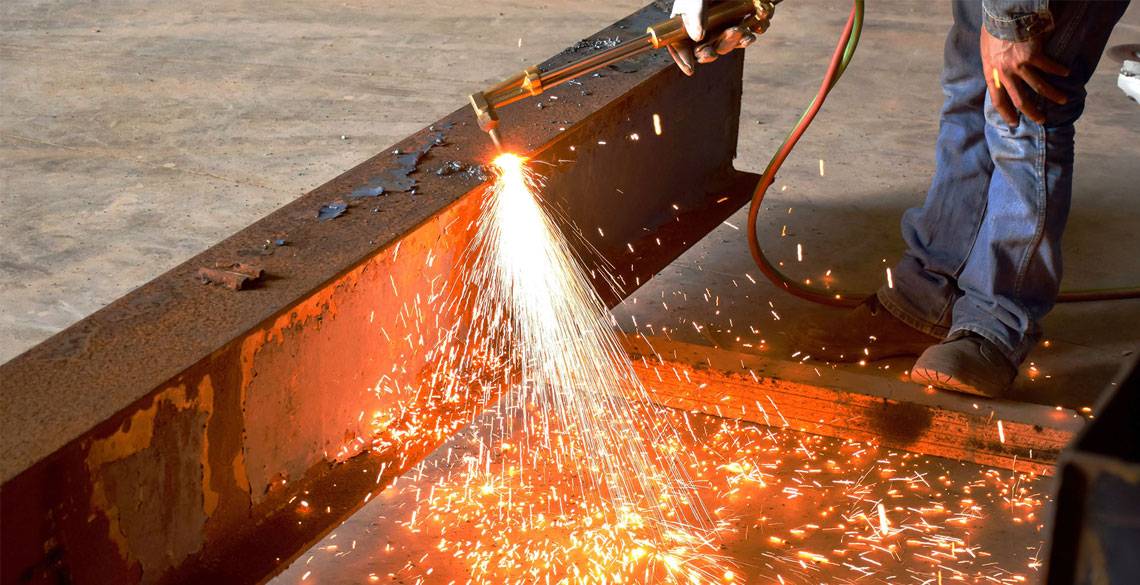
- Fabrication: Structural steel is fabricated in specialized workshops or steel fabrication plants. Skilled workers cut, weld, shape, and assemble the steel components according to detailed engineering drawings and specifications.
- Building Construction: Structural steel is extensively used in the construction of commercial buildings, warehouses, factories, high-rise buildings, and other large structures. It serves as the primary load-bearing framework and provides the skeleton of the building.
- Bridge Construction: Steel is often the material of choice for building bridges due to its strength and durability. It allows for longer spans and reduces the weight of the structure, which is particularly beneficial for long-span bridges.
- Industrial Structures: Structural steel is commonly used in the construction of industrial facilities such as power plants, refineries, manufacturing plants, and mining facilities, where it provides a robust and versatile support system.
- Components: Typical structural steel components include beams, columns, girders, trusses, bracing, and purlins. These elements are designed to carry and distribute the loads imposed on the structure.
- Design and Engineering: Structural steel work requires detailed engineering and design to ensure that the components meet the necessary safety, load-bearing, and structural integrity requirements. Computer-aided design (CAD) software is often used to create precise drawings and models.
- Erection: Once the steel components are fabricated, they are transported to the construction site for erection. Erection involves carefully lifting, aligning, and connecting the steel elements to create the overall structure.
- Welding and Bolting: Welding and bolting are common methods used to connect structural steel components. High-strength bolts or welding joints are used to create rigid connections that can withstand the forces acting on the structure.
- Safety: Safety is paramount in structural steelwork, both during fabrication in the workshop and during erection on-site. Workers must follow strict safety protocols and use appropriate personal protective equipment (PPE) to prevent accidents and injuries.
- Sustainability: Steel is a recyclable material, and structural steelwork promotes sustainability in construction by allowing for the reuse and recycling of steel components.
Structural steelwork requires skilled labor, precise planning, and adherence to engineering standards and building codes. Proper execution ensures that the final structure is safe, durable, and meets the design requirements for the intended use.

Buy Best Structural Steel Work From Reputed Manufacturer in Mumbai, India, We would love to hear more about your requirements
Structural Steel Work Specifications

Materials
Structural Steel (Carbon steel, Galvanized steel, Alloy steel)
Process
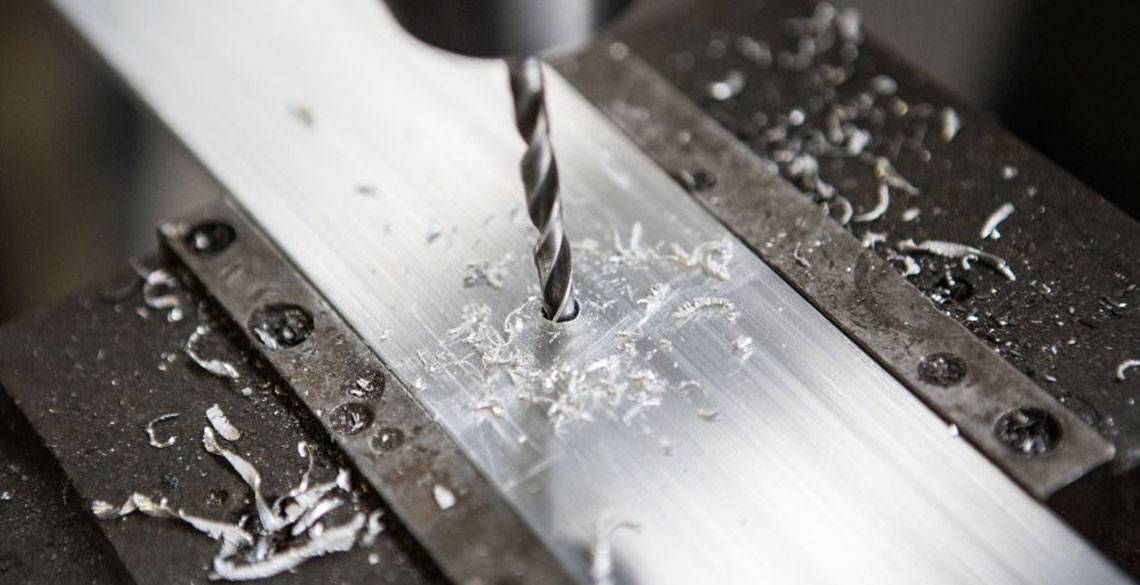
Design Preparation, Material Acquisition, Steel Cutting and Drilling, Bending and welding, Quality Check, Finishing, Delivery, Assembly and Installation.
Features
Customizable, with or Without Glass Work, Intricate Design, Easy Installation, Sturdy Rust Proof Material
General Workmanship
Welding, Bolting, Accuracy of erected steelwork, Protective treatment
Structural Steel Types
Angled Sections, Tubular Hollow Sections, Flat Sections, Parallel Flange Channels, Rectangular Hollow Sections, Square Hollow Sections, Tapered Flange Beams, Universal Beams, Universal Columns.
Applications
High-rise buildings, Industrial Buildings, Residential Buildings, Parking Garages, Bridges, Aeronautics, Automotive, Construction, Energy, Manufacturing, Mining, Ship construction etc.
Types Of Structural Steel Work
Cutting
Bending
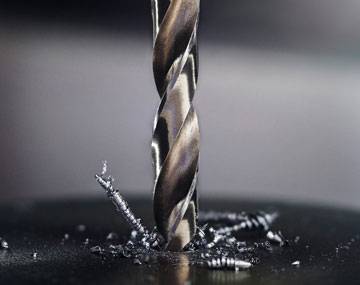
Drilling

Engraving & Assembly
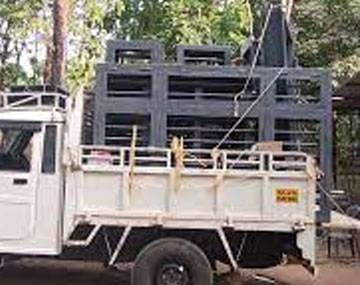
Shipping Preparation And Component Finishing
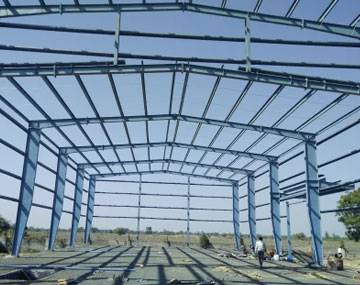
Site Delivery And Erection
Applications & Searches Of Structural Steel Work
- Structural Fabrication Work
- Fabrication And Erection Of Steel Structures
- Steel Structure Example
- Structural Design Steel
- Structural Design Steel
- Structural Steel Products
- Structural Steel Specifications