
Pharmaceutical doors refers to specialized doors or entryways designed for use in pharmaceutical facilities such as laboratories, research centers, manufacturing plants, or storage areas. These doors are engineered to meet the specific requirements and standards of the pharmaceutical industry to ensure the safety, security, and hygiene of the environment.
Here are a few aspects that might be considered in the context of pharmaceutical doors:
- Material and Construction: Pharmaceutical doors are typically constructed using materials that are resistant to corrosion, easy to clean, and capable of maintaining a sterile environment. Stainless steel and other non-porous materials might be commonly used due to their ability to withstand cleaning agents and their smooth surfaces that prevent the accumulation of contaminants.
- Hygiene and Sterility: Maintaining a sterile environment is crucial in pharmaceutical settings to prevent cross-contamination and ensure the integrity of the products. Pharmaceutical doors may be designed with features that minimize the risk of particulate or microbial contamination, such as smooth surfaces, gasket seals, and airtight closures.
- Air Pressure Control: Certain pharmaceutical processes, such as those involving hazardous substances or sensitive materials, might require specific air pressure differentials between rooms. Doors used in such settings might be equipped with mechanisms to maintain controlled air pressure gradients, preventing the movement of contaminants between areas.
- Access Control: Pharmaceuticals facilities often need to restrict access to authorized personnel only. Pharmaceutical doors might include advanced access control systems such as biometric authentication, card readers, or keypad entry, along with logging mechanisms to track entry and exit.
- Fire and Safety Regulations: Pharmaceutical facilities need to adhere to strict safety regulations. Doors could be designed to meet fire safety standards, with fire-resistant materials and mechanisms that automatically close and seal in case of a fire emergency.
- Temperature and Environmental Control: Some pharmaceutical processes require specific temperature and environmental conditions. Doors might be insulated to maintain temperature control and prevent heat or cold from affecting different areas.
- Cleanroom Compatibility: Cleanrooms are critical in pharmaceutical manufacturing. Doors for cleanroom environments must minimize the introduction of contaminants. They may have interlocking systems that prevent both doors from being open simultaneously to maintain a controlled environment.
- Automation and Integration: In large pharmaceutical facilities, doors might be integrated into building automation systems. This could include features like remote monitoring, automated opening/closing based on sensors, and integration with facility management systems.
The specific design and features of pharmaceutical doors can vary based on the type of pharmaceutical facility, its processes, and the regulatory standards that apply. These doors play a crucial role in ensuring the safety, quality, and compliance of pharmaceutical operations.


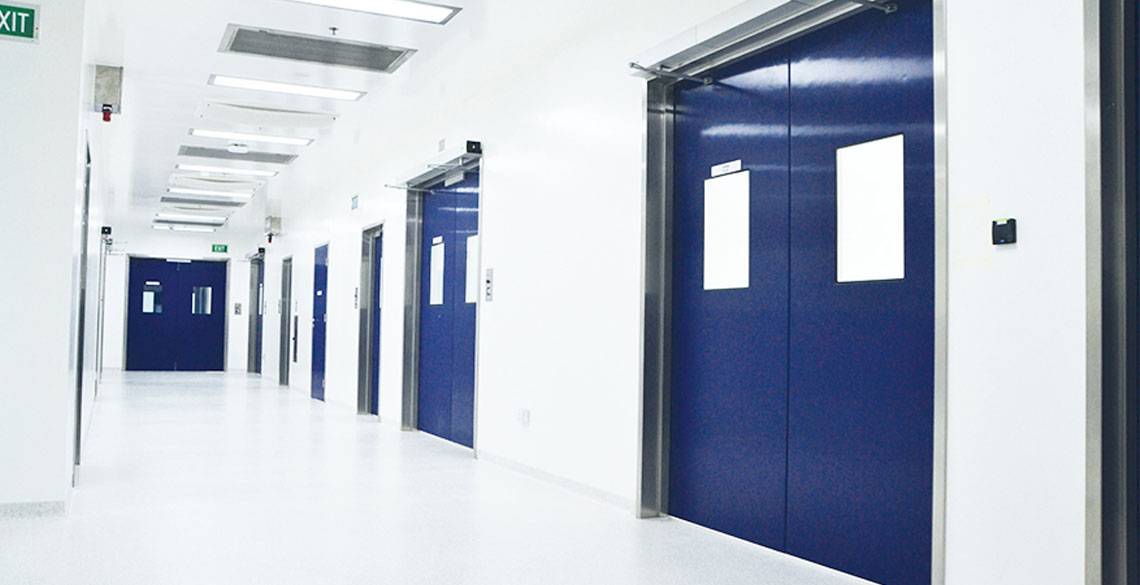
Buy Best Quality Pharmaceutical Doors From Reputed Manufacturer in Mumbai, India, We would love to hear more about your requirements
Pharmaceutical Door Specifications

Materials
Galvanized Steel/Stainless Steel
Door Thickness
50MM, accept custom sizes
Lock
L Shape
Door Frame
Galvanized Steel
Standard door opening size (MM)
800*2100/900*2100/1200*2100/1300*2100/1500*2100/1800*2100
Max Weight
50KG
Types Of Pharmaceutical Doors
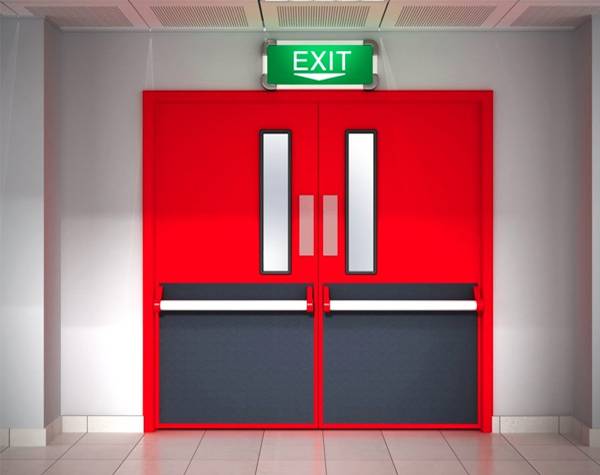
Healthcare Facility Door
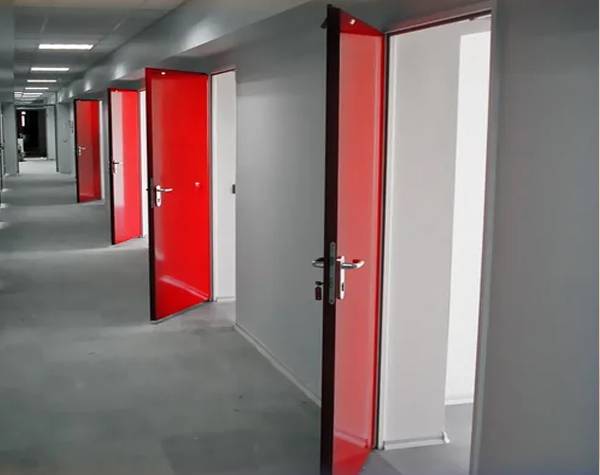
Hospital Door
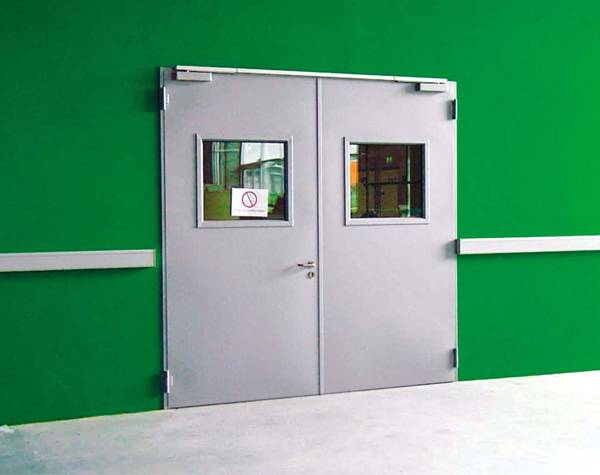
Operating Room Door
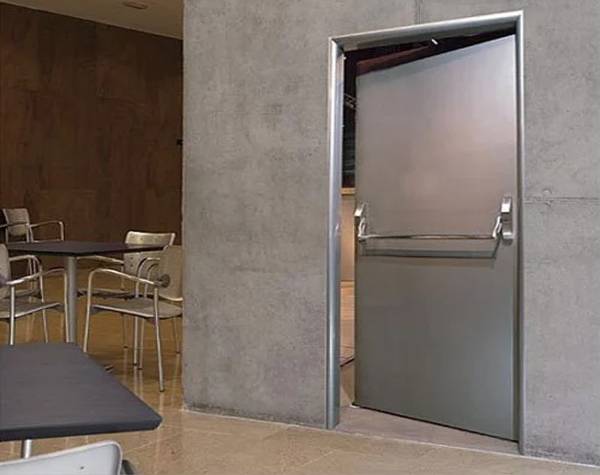
Clean Room Doors

Laboratory Doors

MRI Doors
Applications & Searches Of Pharmaceutical Doors
- Pharmaceutical clean room doors
- Cleanroom doors
- GMP doors
- Pharmaceutical clean room door
- Clean room doors specifications
- Clean room doors manufacturers in india
- Laboratory doors
- Pharma door
- Pharmaceutical clean room door
- Pharmaceutical Doors
- Pharmaceutical Sliding Doors
- Clean Room Manufacturers in Mumbai
- Pharmaceutical Door Manufacturers
- Pharmaceutical Door Manufacturer in Mumbai
- Pharmaceutical Industry Door
- Pharmaceutical Doors Price in India
- Pharmaceutical Doors Price