
Facade Systems also known as building facade or building envelope systems, refer to the external cladding, coverings, and structural elements that form the outer shell of a building. The facade is an essential component of a building as it serves various functional and aesthetic purposes. It is the first line of defense against environmental elements, and it significantly impacts the building's energy efficiency, aesthetics, and overall performance. Various materials and design techniques are used in facade systems to achieve specific architectural and functional objectives.
Some common types of facade systems include:
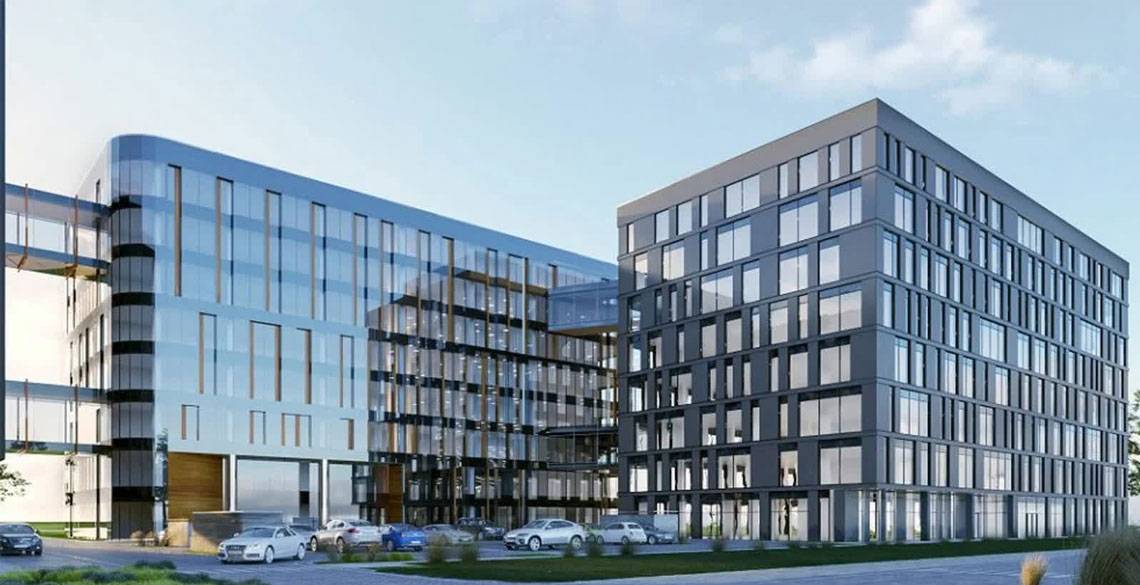
- Curtain Wall Systems: Curtain walls are non-load-bearing exterior walls that are suspended from the building's structure. They are typically made of lightweight materials such as aluminum, glass, or metal panels. Curtain walls provide excellent thermal and acoustic insulation, allowing for a visually appealing and energy-efficient facade.
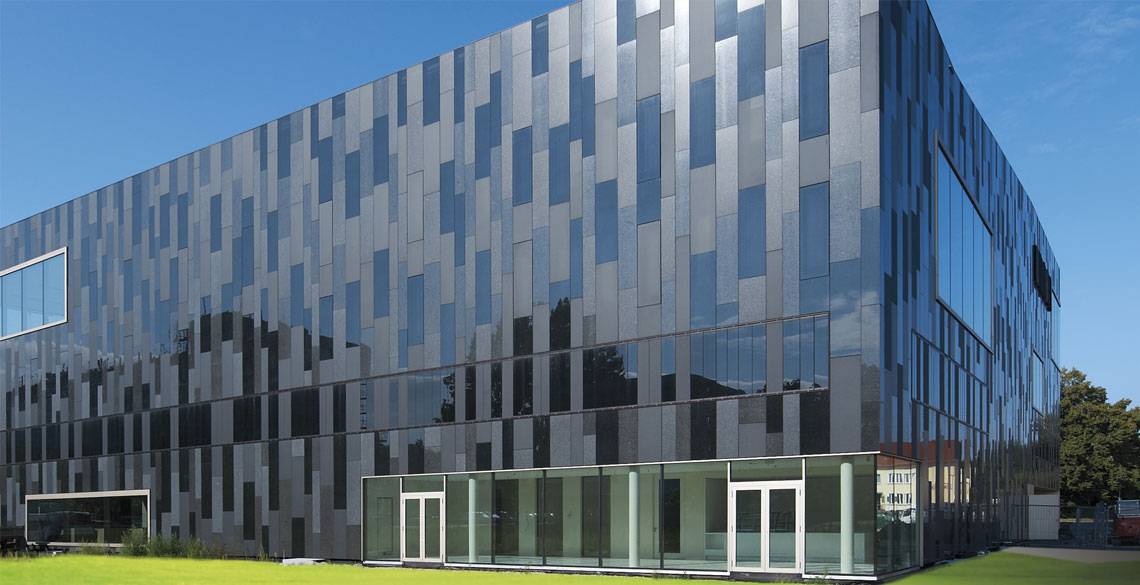
- Cladding Systems: Cladding refers to the application of external materials to the building's structure to create a protective and aesthetically pleasing facade. Common cladding materials include stone, metal, glass, composite panels, and fiber cement. Cladding systems are versatile and can be used to achieve various architectural styles.
- Ventilated Facades: Ventilated facade systems have an air gap between the outer cladding and the building's main structure. This gap allows for natural ventilation, moisture control, and thermal insulation, improving the building's energy efficiency and indoor comfort.
- Green Facades: Green facades or living walls involve the use of climbing plants or vegetation to cover a building's exterior. These systems can provide additional insulation, improve air quality, and enhance the aesthetics of the building.
- Precast Facades: Precast facade elements are manufactured off-site and then installed on the building's exterior. These elements can be made from concrete, stone, or other materials, and they offer design flexibility and faster construction times.
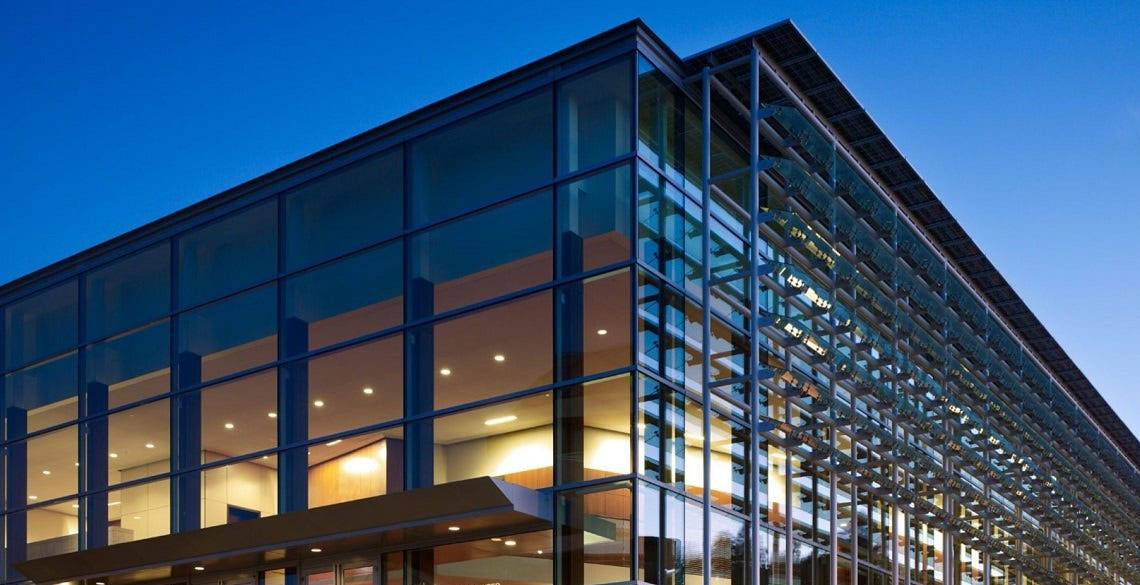
- Brise Soleil Systems: Brise soleil refers to sun-shading devices or systems designed to block direct sunlight from entering the building while still allowing natural light. These systems reduce solar heat gain, improving energy efficiency and providing visual interest to the facade.
- Transparent Facades: Transparent facades utilize large glass panels to create a visually open and light-filled building exterior. They are commonly used in modern architecture to enhance the connection between the interior and exterior spaces.
The choice of facade system depends on various factors, including the building's location, climate, architectural design, energy efficiency goals, budget, and desired aesthetic appearance. Modern facade systems are often designed with sustainability, energy efficiency, and occupant comfort in mind, aiming to strike a balance between form and function.
Buy Best Facade Systems From Reputed Manufacturer in Mumbai, India, We would love to hear more about your requirements
Facade Systems Specifications

Materials
ACM, Ceramics, Wood, Natural Slate, Anodized aluminium, Stainless Steel, Mild Steel, Cast Iron etc.
Projects
Commercial, Residential, Infrastructure
Surfaces
Natural Air, UHPC Plus Air, Brick Air, Glass Air, Gres Air
Systems
Gamma Wall, Unitized Facade, Stick Facade, Ventilated Facade, Interior Cladding.
What we do
Co Design, Customized samples, Project Consultancy, Budjet processing, Construction details, Mock up.
Span Capacity
around 2.4 metre (at 1 kN/m2 wind load)
Types Of Facade System

Steel Facade

Panel Frame Facade

Curtain Walling Facade

Aluminum Composite Facade

Steel And Glass Facade

Double-skin Facade
Applications & Searches Of Facade Systems
- Facade Meaning
- Facade Materials
- Aluminium Facade
- Facade Panels
- Facade Cladding Systems
- Facade Systems