When a fire breaks out, the time between spotting smoke and reaching to a safe zone determine outcomes. An emergency exit fire door stands at the center of that window, holding back flames while occupants move toward the nearest exit. Metal fire doors play a critical role in slowing the spread of flames and smoke, giving occupants valuable time to evacuate safely. This guide walks through what emergency exit fire doors do, why fire exit door installation matters for life safety, and what building owners need to know before choosing an emergency door for their property.
What are Emergency Exit Fire Doors?
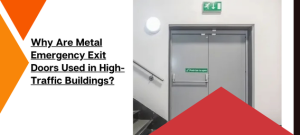
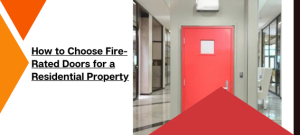
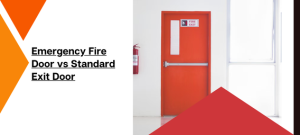
An emergency exit fire door serves two jobs at once: it clears a path for people to leave a burning building, and it stops fire and smoke from spreading into other sections. Manufacturers build these doors from fire-resistant metal, then fit them with intumescent seals that expand when heat hits them, sealing gaps around the frame within minutes. This dual action blocks smoke migration, which causes more fire deaths than flames themselves. Every fire exit door carries a fire rating, measured in minutes, stating how long it withstands direct fire exposure before failing. A 60-minute rated door holds a fire back for a full hour, giving occupants and firefighters critical time. High-quality fire doors are tested to meet safety standards before being installed in hospitals, offices, and residential buildings.
Role of Fire Doors in Building Safety
Safe Evacuation During Emergencies
A fire exit door keeps evacuation routes clear and functional when people need them most. Panic spreads fast during a fire, and a jammed or blocked exit costs lives. Properly installed emergency exit doors open outward under panic bar pressure, letting large groups exit a building in seconds rather than minutes, even under heavy smoke conditions.
Prevents Fire & Smoke Spread
Compartmentalization is the core function of any fire door. An emergency fire exit door helps contain the spread of flames and keeps toxic smoke confined to a small area by sealing off one area from the next. This provides valuable time for fire crews to bring the fire under control before it reaches stairwells, hallways or adjacent rooms where people might still be.
Protects Lives and Property
The damage caused by fire, especially when smoke, water and heat are free to travel without impediment, can often exceed the fire itself. A rated emergency door prevents this spread to a single zone, protecting equipment, inventory and building materials outside the fire’s origin. This containment is important in hospitals and hotels to help protect patients and guests who may not be able to get out quickly.
Facilitates Quicker Rescue Efforts
Firefighters need to be able to maneuver through a burning building with the help of intact fire exit doors. A door that holds its rating gives rescue teams a stable route to reach trapped occupants and locate the fire source without entering an active burn zone. Faster access means faster rescues and fewer injuries among occupants and first responders alike.
Regulatory Compliance and Standards
In the United States, fire doors and exits are subject to stringent regulations covered under the National Fire Protection Association (NFPA) guidelines, particularly NFPA 80: Standard for Fire Doors and Other Opening Protectives. This includes regular inspections, maintenance, and testing to ensure the fire doors perform as expected during an emergency.
Buildings not complying with these standards can face severe penalties. But more importantly, neglecting these safety features could result in catastrophic consequences during a fire event.
Installation and Maintenance Best Practices
To ensure that emergency exit fire doors perform optimally, they must be correctly installed and regularly maintained. Some best practices include:
- Professional Installation: Have qualified professionals install fire doors to ensure they fit correctly and that all components function as intended.
- Routine Inspections and Tests: Fire doors should be inspected at least annually. Any gaps around the door must not exceed the sizes specified by NFPA standards, and doors should be sealed tightly and firmly.
- Immediate Repairs: Deferred maintenance is not an option with fire doors. Any identified issues, such as faulty seals, damaged hardware, or alignment problems, should be immediately addressed.
- Keeping Them Unobstructed: Fire doors must never be blocked or obstructed. They should also never be propped open, which could render them useless in a fire.
Conclusion
Quality emergency exit fire doors protect more than a building’s compliance certificate. They protect the people inside it. Every fire exit door installation should follow local fire codes, use rated materials, and get checked on a regular maintenance schedule, since a door with a broken seal or misaligned frame fails exactly when it matters most.
Building owners, facility managers, and safety officers carry the responsibility of keeping these systems functional year-round. MP Swastik Doors manufactures and installs Emergency Exit Doors for hospitals, schools, malls and high-rises across India. Also tested at our own 100,000 sq. ft. facility. Contact us today to discuss fire door requirements for your building.