Staircases are part of almost every building, whether it is a home, a hospital, or a busy airport. The railing you put on a staircase affects how safe it is and how the space looks. Stainless steel staircase railing is what most architects and builders go with today. It holds up well over time, needs very little maintenance, and works in both traditional and modern spaces.
SS railings are being used across residential, commercial, and public projects simply because they perform well and look decent doing it. A villa staircase or an airport terminal, the material suits both.
What Is a Stainless Steel Staircase Railing?
A staircase railing is a protective barrier fixed along a stairway. Its primary purpose is to prevent falls and give people something to hold onto as they move up or down. Modern stainless steel railings do that job while also improving the general appearance of the space.
Stainless steel is preferred over other metals for several practical reasons. It resists rust. It works in humid indoor conditions and holds up outdoors. It is strong enough for daily use without bending or loosening over time.
There are two main grades used in railings. SS 304 is fine for most indoor applications. SS 316 has molybdenum, which gives it better resistance to moisture and salt. It is the right pick for coastal locations or outdoor areas. Both grades weld well and come in several finishes.
Types of SS Railings for Staircases
Horizontal Bar Railings Parallel horizontal bars running between posts. The look is clean and minimal. Widely used in modern homes and commercial spaces where you want a simple, uncluttered finish.
Upright balusters fitted between a top rail and base. A practical choice in homes with children. Usually meets standard building code requirements for baluster spacing without much adjustment.
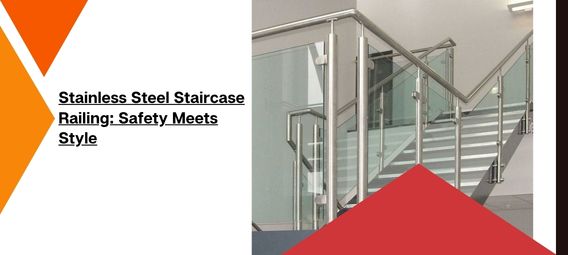
Stainless steel posts or framing paired with toughened glass panels. Gives an open feel and works well in spaces where you want natural light to pass through or where the view matters.
Thin stainless steel wire cables running horizontally or at an angle. A popular option in homes and commercial interiors where keeping the view unblocked is a priority.
SS handrails fixed directly to the wall, no posts or balusters. Useful in narrow spaces or where a lighter visual profile is preferred.
All types are available in mirror polish, satin, brushed, or powder-coated finishes. There is a reasonable amount of design flexibility across all categories.
Key Features & Benefits
Superior Safety
SS railings provide stable support and do not bend under normal use. Well-made joints hold up for many years without needing attention. In high-traffic places like offices, hospitals, schools, and shopping centres, structural reliability is important. Public infrastructure projects tend to specify SS for this reason.
Modern Aesthetic Appeal
A polished or brushed SS railing fits most interiors without clashing with other design elements. Exterior railings in stainless steel hold their appearance longer than painted or coated alternatives. No fading, no flaking.
Corrosion Resistance
SS 304 handles standard indoor moisture without any coating. For outdoor use, rooftop areas, or coastal properties, SS 316 is the better choice. Unlike iron or mild steel, stainless steel does not need paint or anti-rust treatment to stay in good condition.
High Durability
A properly installed SS railing can last decades. Temperature changes do not cause structural problems, and the surface does not pit or crack under normal wear. Over a long building lifecycle, that reduces replacement and repair costs noticeably.
Low Maintenance
Regular cleaning with a damp cloth keeps most SS railings looking presentable. For high-polish finishes, a mild stainless cleaner every few months is enough. No repainting, no special treatments required. Hospitals and food facilities prefer SS partly because the surface is non-porous and straightforward to sanitise.
Customisation Options
SS railings are not a standard product that fits every project. Post spacing, top rail shape, baluster style, glass panel size, and finish can all be adjusted. Fabricators work directly with architects and contractors on curved staircases, mezzanines, and other layouts that do not fit a catalogue design.
Applications
- Residential spaces, such as homes, apartments, and villas use SS railings for indoor stairs and balconies. They last long, need little maintenance, and look good in most interiors.
- Offices, malls, and showrooms need railings that handle heavy daily use and still look professional. SS does both without much fuss.
- Main staircases and mezzanine areas in hotels and restaurants get a clean, premium finish with stainless steel. It suits the environment without needing frequent upkeep.
- Airports, metro stations, and government buildings specify SS because it is strong, easy to maintain, and meets applicable safety standards.
- Balconies, rooftop terraces, and external staircases need a railing material that holds up in open weather without regular treatment. SS handles this without deteriorating.
Design Trends in Stainless Steel Railings
Glass-and-SS combinations are increasingly common, particularly in open-plan spaces where light flow between floors matters. The transparency of glass works well with this.
Matte and brushed finishes have largely replaced mirror polish in contemporary residential work. They handle fingerprints better and sit more naturally alongside concrete, timber, and stone surfaces.
Minimalist profiles with reduced hardware are becoming standard in higher-end projects. The railing stays functional without drawing attention away from the architecture.
Some projects are now integrating LED lighting into SS railing posts and base rails. It adds practical staircase lighting without complicating the structure. All of this is achievable with standard stainless steel fabrication.
Why Choose a SS Staircase Railing Manufacturer
Off-the-shelf railings are available, but they rarely suit a real project without awkward adjustments. A dedicated stainless steel staircase railing manufacturer gives you made-to-measure fabrication, proper grade selection, and professional installation.
Reliable manufacturers use certified stainless steel, accurate cutting and welding equipment, and produce clean welds that maintain corrosion resistance at joints. For unusual requirements like curved staircases, non-standard widths, or mixed materials, a manufacturer can handle that properly rather than forcing a catalogue product to fit where it does not.
Post-installation support is also more straightforward. If something needs adjustment, you know exactly who to contact.
Conclusion
Stainless steel staircase railings do a straightforward job: they keep people safe on staircases. They last a long time, resist rust, and look presentable in most types of spaces, whether residential, commercial, or public. Safety is covered without compromising the overall look of the area.
We can help you select the right stainless steel grade, style, and finish for your project, and handle fabrication and on-site installation. Contact MP Swastik Doors today for a quote on your stainless steel staircase railing.