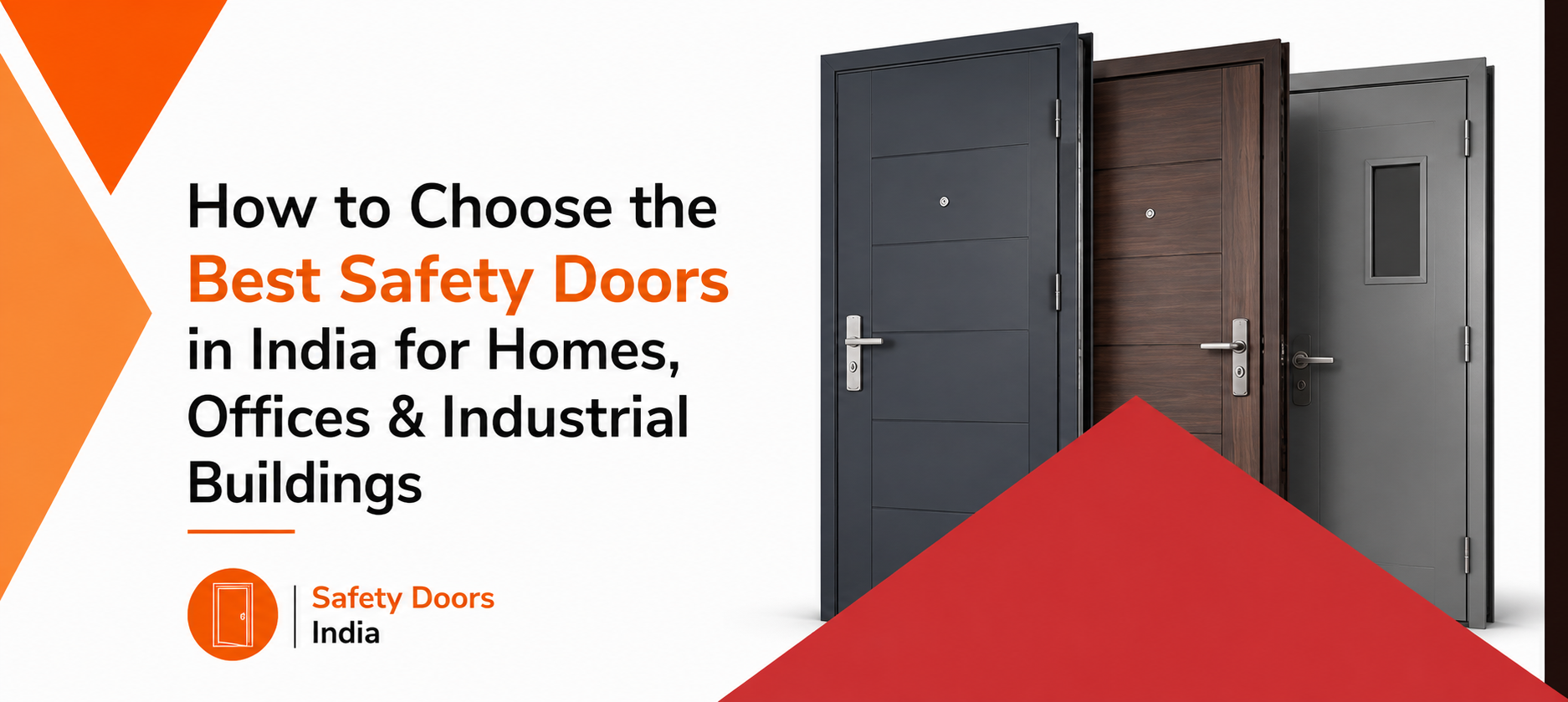
Break-ins, fires, and structural failures expose buildings to risks a standard door cannot stop. This is why the safety doors market in India has grown steadily across homes, offices, and factories. Selecting the right one depends on material strength, fire rating, security level and compliance with recognised standards. This guide walks through the factors that separate a protective door from one that only looks the part.
What Are Safety Doors and Why Are They Essential for Modern Buildings?
A safety door reinforces its frame, hinges and locking points to resist forced entry and contain fire for a fixed duration. Standard doors offer neither; thinner panels and basic latches fail under pressure within minutes.
A door rated for 60 to 120 minutes of fire resistance buys occupants time to evacuate. Working with a reputed safety door manufacturer in India ensures that the unit you select meets the standards for intrusion and fire containment. Building codes today require certified openings at exits in homes, offices and factories.
Key Factors to Consider When Choosing Safety Doors in India
Five factors decide whether a safety door performs once installed, not just on delivery day.
Security Level and Door Strength
The strength of the reinforced steel panels and multi-point locks resists prying and drilling and determines the effort needed for an intruder to break through the door.
Material Quality
In humid, coastal climates, galvanized steel is far more resistant to rust than untreated sheets and has a service life of over 15 years.
Fire Resistance Rating
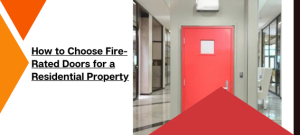
Certified fire-rated doors contain flames and smoke for 60 to 120 minutes. Hospitals, high-rises, and factories require these ratings by law.
Locking System and Hardware
Multi-point locking distributes force over four or more anchor points; panic hardware allows for quick, one-motion exits.
Size, Design and Customization
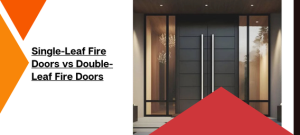
Standard sizes are ideal for residential openings, but custom single and double leaf sizes and finishes are required for industrial projects.
Types of Safety Doors Used Across Different Applications
Different buildings need different door types based on occupancy and risk level, as the table below outlines.
| Safety Door Type | Best Suitable For |
| Steel Safety Doors | Homes & Apartments |
| Fire Rated Safety Doors | Commercial Buildings & Hospitals |
| Industrial Safety Doors | Factories & Warehouses |
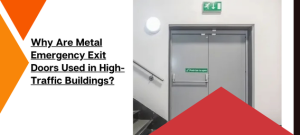
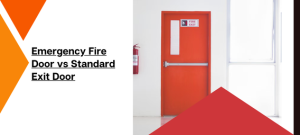
| Emergency Exit Doors | Public Buildings & Offices |
| Security Doors | Banks, Data Centers & High-Security Areas |
Steel doors secure home entrances against forced entry. Fire-rated corridor units trap extreme heat and smoke for up to 120 minutes during hospital evacuations. Factory doors resist continuous structural vibration without warping. Panic hardware lets emergency exit doors open in a single push, cutting evacuation time when seconds matter. Security doors go further still, adding reinforced locking mechanisms for sites holding high-value assets. MP Swastik Doors builds this range of steel and fire-rated doors for exactly these conditions.
Choosing the Right Safety Door for Different Buildings
Priorities shift with building type, since a hospital and a factory face different risks.
Residential Homes and Apartments
Homeowners prioritize entrance security, looking for doors that are hard to force open and have low maintenance needs over the years.
Corporate Offices
Mixed-level office entry doors need controlled access and should meet stairway and exit fire safety requirements.
Industrial Buildings
Heavy machinery needs doors that can take a beating with vibration, dust and wear all day long without sacrificing structural integrity.
Hospitals and Healthcare Facilities
During a ward emergency, doors must resist bacterial buildup, contain fire, and still open in seconds.
Educational Institutions and Public Buildings
Handling constant traffic from students and visitors, school doors need durability alongside strict fire safety compliance.
Standards and Certifications to Check Before Buying Safety Doors
Fire safety certifications ensure a door has been tested for its rated period of flame and smoke exposure. BIS and relevant Indian standards prescribe minimum thickness of material, strength of hinges and locking devices. Certification of the manufacturer confirms quality of the coating conforms to these standards.
Common Mistakes to Avoid When Buying Safety Doors
Buyers overlook details that affect a door’s performance for years after installation.
Choosing a Door on Price Alone
Choosing a door on price alone ignores replacement costs within a few years.
Ignoring Fire Ratings
Ignoring fire ratings leaves buildings exposed to penalties and real safety gaps.
Overlooking Material Quality
When the quality of materials is not taken into consideration, corrosion and warping will occur within a couple of years.
Selecting the Wrong Size
The wrong size defeats the purpose of security or fire prevention.
Skipping Certification Checks
Without performing certification checks, the door may not meet the rating it advertises.
Buying from Inexperienced Manufacturers
Buying from inexperienced manufacturers raises the risk of inconsistent quality.
Conclusion
Selecting the right doors for safety is an essential decision that can guarantee the safety of occupants in homes, offices and factories, providing protection against fire, security and durability. Prior to purchase, evaluating material quality, certifications and fire ratings helps to prevent expensive replacement costs. MP Swastik Doors provides all safety doors with consistency in quality, reliability in service, and production for large orders without compromising.